


In industrial production lines, conveyor belts are often seen as a “simple” part of the system. However, incorrect choices made in these systems, which are considered the lifeblood of the factory, can lead to much larger holes in the annual balance sheet than anticipated. At Tunca Teknik, with over 35 years of experience, we have observed that the wrong belt selection is not just a part replacement, but a chain reaction of efficiency loss. So, what kind of situations do these losses lead to for your company?
Unexpected Downtime: The Biggest Hidden Cost
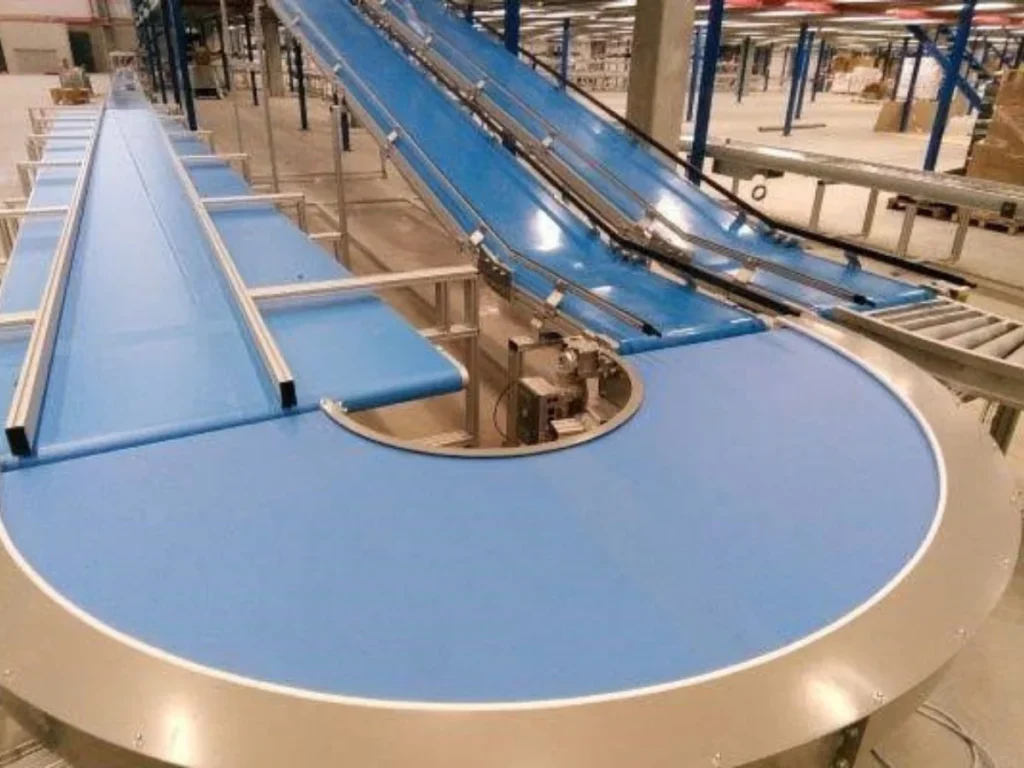
When everything is running smoothly in your factory, a line stoppage due to a broken belt or surface damage cannot be measured solely by the cost of that part. Labor loss is one of the first things to be observed, meaning that the operators are left idle. Furthermore, the stoppage can lead to delays in delivery, which can cause a loss of trust, such as failing to keep promises made to customers. During the system’s restart, the extra energy expended and a belt that does not have the right raw material and strength can increase these stoppages by 30%.
Every conveyor belt has a friction coefficient. When a belt that is not suitable for the material and drive system is selected, the motors expend more power than necessary to move the belt. Opting for a standard choice instead of low-friction, energy-efficient belts offered by global leaders such as Habasit, for example, will result in a significant increase in your monthly energy bills. A selection made without engineering calculations also shortens the motor’s lifespan.
Especially in the food, packaging, or technical textile industries, the surface structure of the belt comes into direct contact with the product. This means that extra attention must be paid. In food lines, if the belt structure causes bacteria to grow, it can pose a threat to human health and the product may end up in the trash. Or, if the belt slips when cutting a delicate fabric, the cut will be flawed from the start, and the wrong surface texture can cause damage during product transport and high waste rates.
Maintenance and Spare Parts Cycle
Belts labeled as “cheap” generally have a shorter service life. While a quality belt can operate without issues for 5 years, an incorrectly selected belt may require replacement and adjustment every year. This translates to extra costs and time loss. This situation causes the maintenance team to constantly spend time on this line and inflates spare part inventory costs.
Strategic Solution: Tunca Teknik Support
Conveyor belt selection is not just an ordering process, it is also an analysis process. At Tunca Teknik,
- we analyze the weight of the load being transported,
- the ambient temperature and chemical contact risk,
- the speed and slope of the line,
- and the motor capacity using technical data to integrate the most suitable product from our global solution partners such as Habasit and ContiTech into your line.
The way to turn invisible losses into profits starts with choosing the right components. Let’s review your conveyor systems with an expert perspective to increase efficiency in your factory and eliminate hidden costs.